How commercial “agenda laundering” is shaping critical care
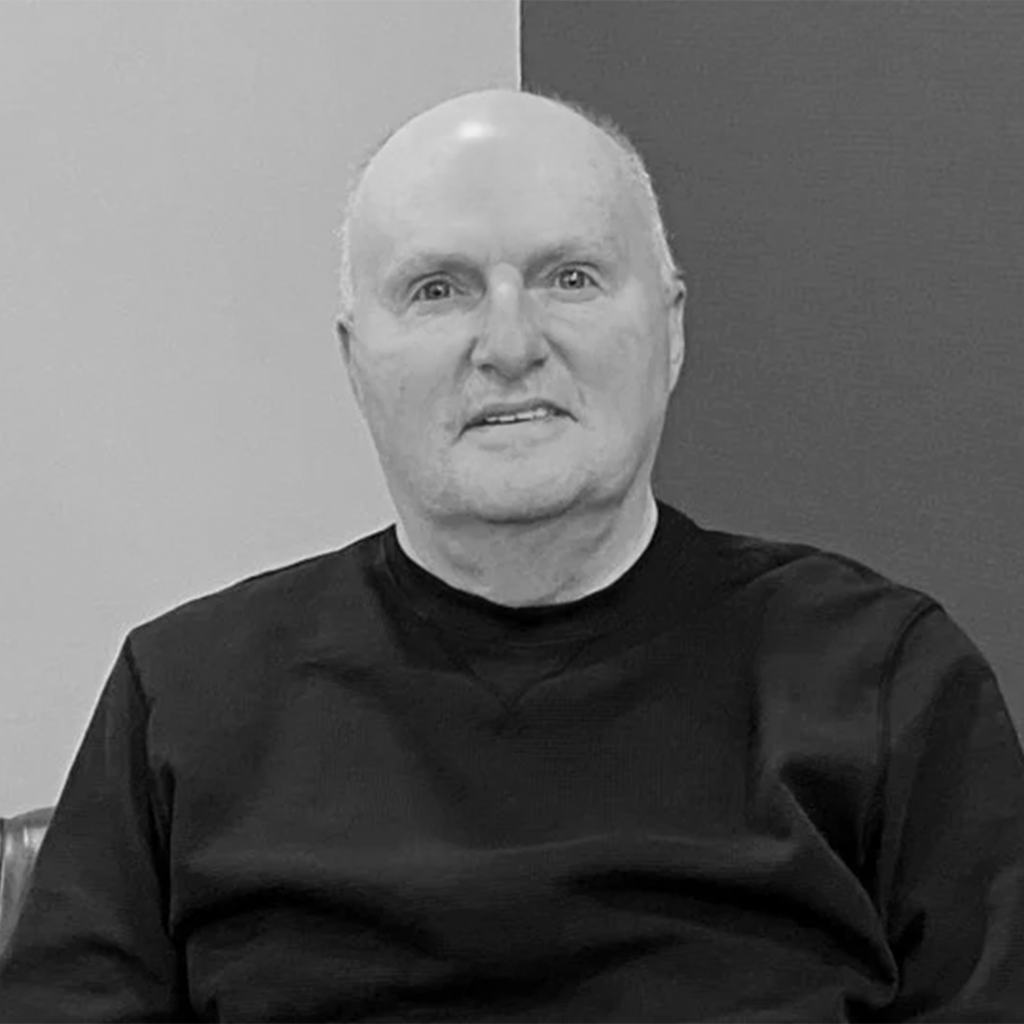
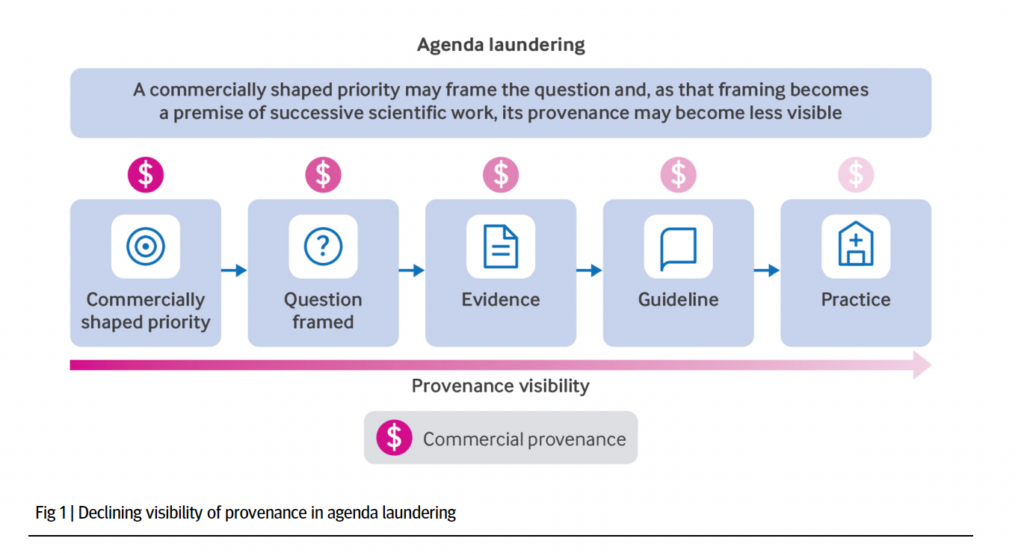
In a recent article published in the British Medical Journal https://www.bmj.com/ INI-CRCT patient expert D’Arcy Duquette along with members Dr Khalil Chaibi and Pr Stéphane Gaudry discuss ties with industry, particularly in the field of critical care research, that created biases in the decision making through a process called “agenda laundering”?
They define agenda laundering as a process by which clinical practice is modified little by little overtime by commercial interests influencing scientific work. Over time, the practice becomes common place and the initial commercial interests are no longer visible. This why the term « laundering » is used.
The article describes examples of agenda laundering in the field of critical care including the use of hydroxyethyl starch and albumin as an alternative to saline.
Multimodal data-driven clustering analysis of heart failure patients identifies two distinct patterns of heart failure with preserved ejection fraction: Results from the PACIFIC-PRESERVED study
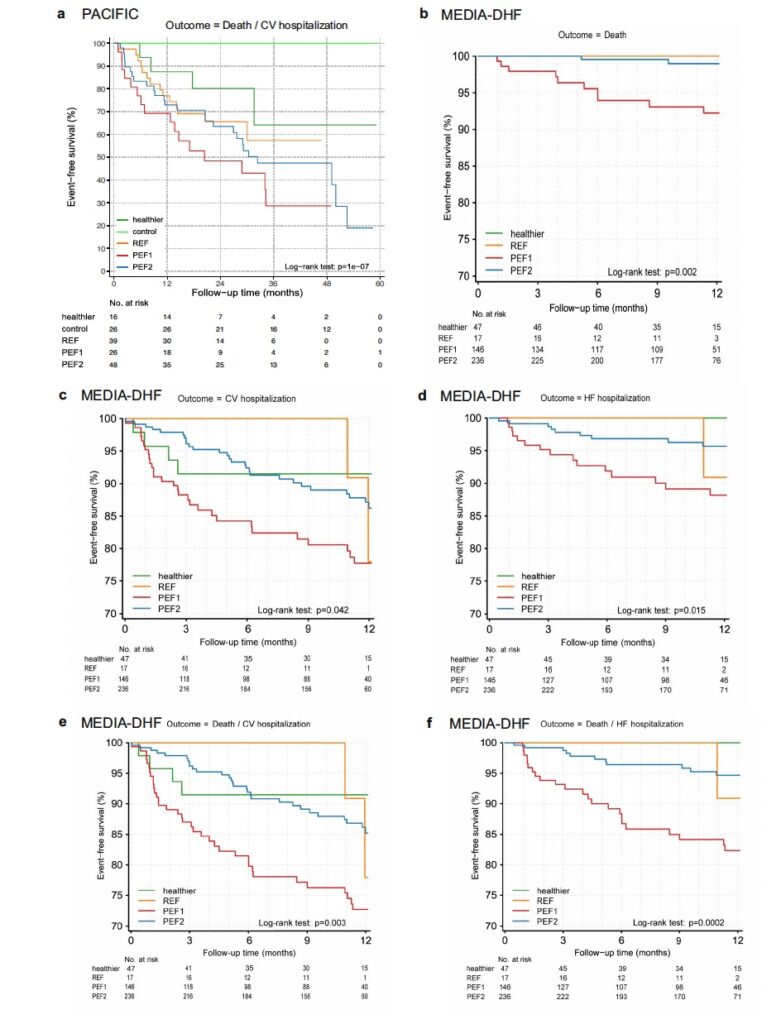
Heart failure with preserved ejection fraction (HFpEF) accounts for over half of heart failure cases but remains poorly defined due to its clinical heterogeneity. In the prospective PACIFIC-Preserved cohort (NCT04189029, n = 155), we applied multimodal deep phenotyping, including high-throughput proteomics, and unsupervised machine learning to identify biologically distinct HFpEF subgroups. Multiview clustering revealed two major HFpEF phenogroups: PEF1, characterized by inflammatory signaling, TNF receptor activation, cardio-skeletal injury, and greater renal dysfunction; and PEF2, marked by endothelial stress and milder perturbations. Conventional diagnostics alone could not reliably distinguish these subgroups, but a multimodal classifier integrating clinical, imaging, and proteomic variables achieved high predictive accuracy (F1-score 0.87). External validation in the MEDIA-DHF cohort (n = 456) confirmed that PEF1 was independently associated with adverse outcomes (adjusted HR 2.27, 95% CI 1.04–4.94). These findings establish a classifier-driven, biologically informed stratification of HFpEF, providing a framework for precision medicine in heart failure.
Biomarqueurs et insuffisance cardiaque : quelle place en pratique clinique en 2026 ?
Les biomarqueurs circulants constituent un axe de développement majeur dans le domaine de l’insuffisance cardiaque. Leur utilité pour évaluer la gravité de la maladie, estimer le risque d’événements et orienter les stratégies thérapeutiques a largement dépassé leur valeur diagnostique initiale.
Alors que 64 millions de personnes dans le monde souffrent d’insuffisance cardiaque et que l’incidence augmente inévitablement en raison du vieillissement de la population, l’utilisation des biomarqueurs est devenue cruciale. Si les recommandations européennes confèrent un rôle central aux peptides natriurétiques, de nouveaux biomarqueurs ciblant divers mécanismes de l’IC ont également émergé, notamment les troponines de haute sensibilité, la protéine ST2 soluble, la galectine-3 et les biomarqueurs cardiorénaux.
Cet article fait le point sur l’application clinique de ces biomarqueurs dans la prise en charge de l’insuffisance cardiaque en 2026.
UNE JOURNEE ENTIEREMENT CONSACREE AU NUMERIQUE EN SANTE AU TRAVERS DE SES USAGES DANS NOS TERRITOIRES. CITY HEALTHCARE figure parmi les initiatives incontournables destinées à accompagner les professionnels dans leurs questionnements et pratiques du numérique en santé. À travers des problématiques concrètes issues du terrain, rapportées par les professionnels, CITY HEALTHCARE rassemble dans un même événement toutes les parties prenantes du numérique en santé, décideurs (ministères, CNAM, ARS), entrepreneurs, industriels, chercheurs, développeurs, collectivités, professionnels de santé et usagers. Avec pour objectif d’identifier ensemble les blocages, d’envisager l’avenir, construire des projets, entre professionnels, entreprises, territoires, à l’aide du numérique en santé.
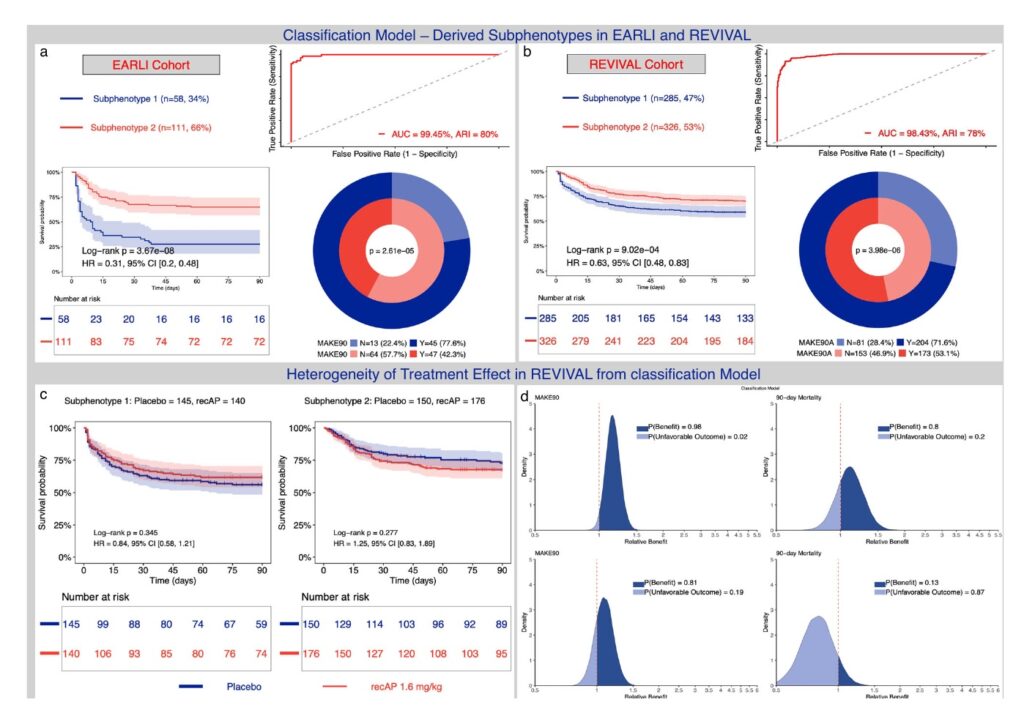
Plasma proteomics defines two reproducible subphenotypes of sepsis-associated acute kidney injury with distinct outcomes
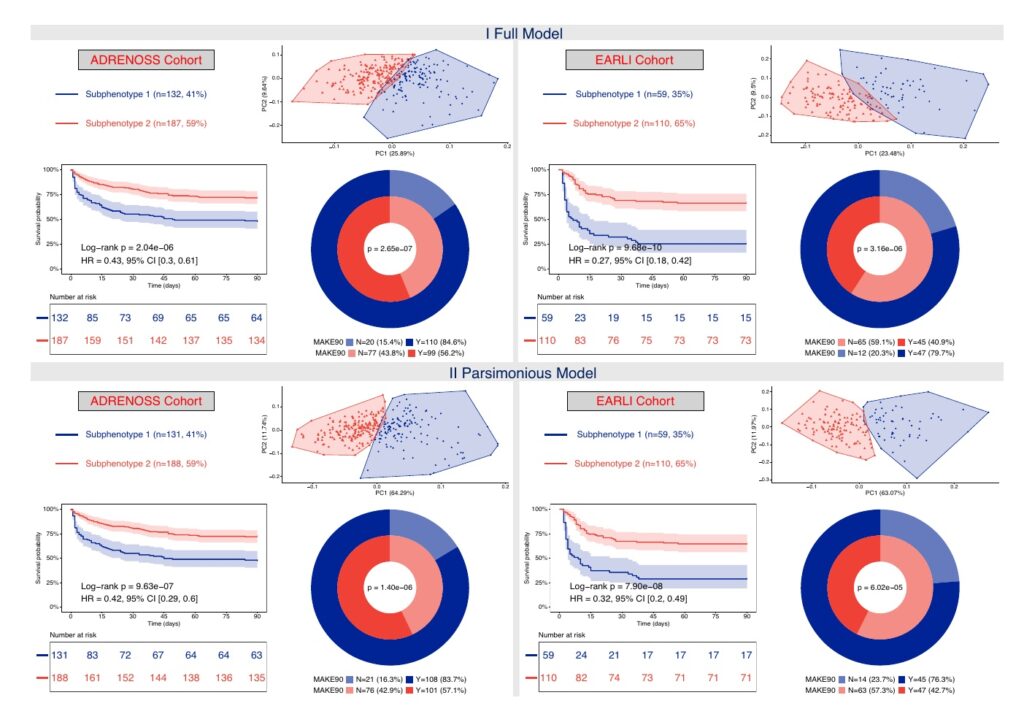
Sepsis is the leading cause of acute kidney injury in critically ill patients, and this complication carries a high risk of death. The biology underlying it varies between patients, which may explain why treatments have not succeeded. Here we show, using an ensemble method that groups patients by patterns across hundreds of blood proteins in three independent groups of patients, that sepsis-associated acute kidney injury comprises two reproducible subphenotypes. One subphenotype shows widespread activation of inflammation, metabolism, and oxidative stress; the other shows a quieter profile. Patients in the inflammatory subtype have higher mortality, more complications, and fewer days alive and out of the intensive care unit. A simple seven-protein test reproduces these groupings and identifies them accurately in separate cohorts. In a randomized trial, the drug ilofotase alfa appears to benefit the inflammatory subtype but not the other, suggesting that this classification could guide future treatment.
📚Is there a link between systemic inflammation and the progression of chronic kidney disease (CKD) or the occurrence of major adverse cardiovascular events (MACE – ischemic Stroke, myocardial infarction, heart failure, and atrial or ventricular fibrillation)?. 📚This week, we would like to highlight a study conducted by INI-CRCT members Jean-Michel Halimi and Valentin Maisons as well as Jean-Baptiste de Freminville, Arnaud Bisson, Stéphanie Chadet, and Laurent Fauchier, « ESKD, Major Cardiovascular Events, and Death Associated With Systemic Inflammation ».
📚This study compared the incidence of end-stage renal disease (ESRD) (i.e;, chronic dialysis or kidney transplantation), MACE, and mortality in CKD patients with high-sensitivity C-reactive protein (hsCRP) levels ≥ 2 mg/L versus those with levels <2 mg/L (using the TriNetX platform).
📚The results are based on 163,854 subjects with CKD (eGFR<60 mL/min/1.73 m2 or albumin-to-creatinine ratio > 200 mg/g) who had hsCRP measurements taken in the absence of infection.
📚Two groups were matched for CV risk factors (BP, LDL, initial treatment, GFR, and albuminuria): 27,580 subjects with hsCRP <2 mg/L. An hs CRP level ≥ 2 mg/L was associated with an increased risk of MACE, death and end-stage renal disease. Main message : Recognizing systemic inflammation as a factor associated with an increased risk of MACE and death in individuals with CKD (stage 3-4) or albuminuria (A3), and with an increased risk of end-stage renal disease in patients with diabetes mellitus, independently of traditional risk factors, is essential for improving their management.
Félicitations au membre d’INI-CRCT et MATRIX cohorte directeur Pr Jean-Michel Halimi d’avoir remporté l’AAPG 2026 de l’ANR pour le projet CLINIC2TMA avec une note de A !
La cohorte MATRIX (Microangiopathie thrombotique rénale et systémique) est un projet de recherche rétrospectif multicentrique national français qui bénéficie du soutien institutionnel de la SFNDT dirigé par le Pr Halimi. Elle évalue les manifestations cliniques, les paramètres biologiques, les étiologies et l’évolution des patients atteints de microangiopathies thrombotiques confirmées par biopsie. MATRIX
ANR a récompensé ce projet CLINIC2TMA qui s’attaquera à l’hétérogénéité des MAT secondaires, qui représentent 90 % des cas de MAT et ne bénéficient actuellement d’aucun traitement ciblé. L’hypothèse centrale est que les MAT secondaires comprennent des endotypes distincts, activés par différentes voies (complément, glycocalyx, voies purinergiques, hémolyse). La cohorte MATRIX (plus de 1500 biopsies de patients atteints de MAT, issues de 40 centres) fournit des ressources histologiques sans précédent.
This week, we are very pleased to announce 🔈 the results from the TRACK trial « Low-Dose Rivaroxaban and Cardiovascular Events in Advanced Kidney Disease ». 🖲️ ❤️ 🫘 🏁 Cardiovascular events (sometimes fatal) affect 10% to 15% of patients with chronic kidney disease (CKD). Research into antithrombotic treatments for cardiovascular (CV) events in the context of CKD is ongoing. 🖲️ ❤️ 🫘 🏁This ambitious study, conducted from 2021 to 2025, aimed to determine whether low-dose Rivaroxaban (2.5 mg twice daily) reduces the rate of cardiovascular events compared to placebo. 🖲️ ❤️ 🫘 🏁Therefore, a randomized, double -blind, placebo-controlled trial was conducted across 12 countries (90 centers). 🖲️ ❤️ 🫘 🏁Eligibility criteria included stage 4 or 5 CKD or dialysis dependence, combined with a history of coronary artery disease, non-hemorrhagic/non lacunar stroke, peripheral artery disease, or diabetes, or an age of 65 years or older. The trial was terminated early in August 2025 due to a lack of efficacy. 🖲️ ❤️ 🫘 🏁The primary endpoint was a composite measure comprising cardiovascular death, non-fatal myocardial infarction, stroke, or a peripheral artery disease- related event. 🖲️ ❤️ 🫘 🏁In conclusion, low dose Rivaroxaban did not reduce high CV risk in patients with advanced CKD; major bleeding rates were significantly higher in the treated group. 🖲️ ❤️ 🫘 🏁These findings send a strong message regarding the risk-benefit balance of anticoagulant therapy (including at low doses) in frail patients such as those with CKD.
This week, INI-CRCT and the CIC-P Nancy would like to share this important review article « Contemporary Management of Acute Heart Failure: From Emergency Presentation to Long Term Remission ».
Given that AHF represents a major global health challenge, with a substantial impact on survival, morbidity, as well as healthcare resource utilization, improving the quality and consistency of care for patients with acute heart failure worldwide is of paramount importance. This state-of-the-art review summarizes the current evidence on the recognition and management of acute heart failure, from emergency care to long-term referral, with an emphasis on a comprehensive and multidisciplinary approach.
Special thanks to all the authors including INI-CRCT Members Gulllaume Baudry and Alexandre Mebazza
🏥 📈 🚑 🫁You may be aware of the fact that nearly 5% of emergency department visits are due to dyspnea; the causes and the prognosis are highly variable. 🚑 📈 🏥 🫁 In a novel approach, the objective of this study, by several INI-CRCT network members including Guillaume Baudry, Luca Monzo, Alexandre Mebazaa, Tahar Chouihed, MD, PhD and Nicolas GIRERD, was to describe the in-hospital and long-term outcomes of patients admitted to the emergency department for dyspnea, according to their underlying cause, and to determine whether the prognosis varies depending on the context of hospitalization. 🚑 📈 🏥 🫁The analysis includes 18,903 consecutive patients (48% men, mean age 73 years) hospitalized following an emergency department visit for dyspnea (January 2010 – December 2019), as part of the PARADISE cohort (PAthwAy of Dyspneic patIent in Emergency-NCT02800122). The most common discharge diagnoses were respiratory failure (RF) (30%), acute heart failure (AHF) (28%), and COPD (13%) 🚑 📈🏥 🫁 In-hospital mortality was 12% overall, ranging from 1.1% for asthma to 15% for AHF and RF. The five-year all-cause mortality rate among patients discharged alive was 75% for AHF, 66% for RF, 62% for COPD, 37% for epilepsy, and 26% for asthma. Admission to specialized units was associated with a significant reduction in in-hospital mortality for all causes. 🚑 📈🏥 🫁 In conclusion, patients hospitalized for dyspnea are at high risk of mortality, both during their hospital stay and after discharge. This analysis can help clinicians and research’s medical community to development of personalized care pathways to improve their prognosis in terms of morbidity and mortality! Be sure to read it! « Short and long-term prognosis of hospitalization for dyspnoea based on aetiology and hospitalization ward: insights from the PARADISE cohort. » https://lnkd.in/ePAGFyCFGuillaume Baudry, Claire Lacomblez, Emmanuel Bresso, Luca Monzo, Alexandre Mebazaa, Kevin Duarte, Déborah Jaeger, Adrien Bassand, AurelienBuessler A, Gaëtan Giacomin, Charlène DUCHANOIS, Torgny Wessman, Faiez Zannad, Tahar Chouihed, MD, PhD, Nicolas GIRERD. Eur J Heart Fail. 2026 Jan 22:xuaf027. doi: 10.1093/ejhf/xuaf027. Epub ahead of print. PMID: 41771066. Marilucy Lopez SubletF-CRINCentre d’Investigation Clinique PlurithématiquePatrick RossignolBenjamin DENIAUAnouk LegendreMeghan CalvoNancy Hamilton
Pour offrir les meilleures expériences, nous utilisons des technologies telles que les cookies pour stocker et/ou accéder aux informations des appareils. Le fait de consentir à ces technologies nous permettra de traiter des données telles que le comportement de navigation ou les ID uniques sur ce site. Le fait de ne pas consentir ou de retirer son consentement peut avoir un effet négatif sur certaines caractéristiques et fonctions.
Fonctionnel
Toujours activé
L’accès ou le stockage technique est strictement nécessaire dans la finalité d’intérêt légitime de permettre l’utilisation d’un service spécifique explicitement demandé par l’abonné ou l’utilisateur, ou dans le seul but d’effectuer la transmission d’une communication sur un réseau de communications électroniques.
Préférences
L’accès ou le stockage technique est nécessaire dans la finalité d’intérêt légitime de stocker des préférences qui ne sont pas demandées par l’abonné ou l’internaute.
Statistiques
Le stockage ou l’accès technique qui est utilisé exclusivement à des fins statistiques.Le stockage ou l’accès technique qui est utilisé exclusivement dans des finalités statistiques anonymes. En l’absence d’une assignation à comparaître, d’une conformité volontaire de la part de votre fournisseur d’accès à internet ou d’enregistrements supplémentaires provenant d’une tierce partie, les informations stockées ou extraites à cette seule fin ne peuvent généralement pas être utilisées pour vous identifier.
Marketing
L’accès ou le stockage technique est nécessaire pour créer des profils d’internautes afin d’envoyer des publicités, ou pour suivre l’utilisateur sur un site web ou sur plusieurs sites web ayant des finalités marketing similaires.